Barton Lab

Comparative research · Hawaiʻi & Mexico

The Argemone Project

What can prickly poppies teach us about the evolution of plant defense across continents and islands?

Project summary

Defense across a remarkable genus

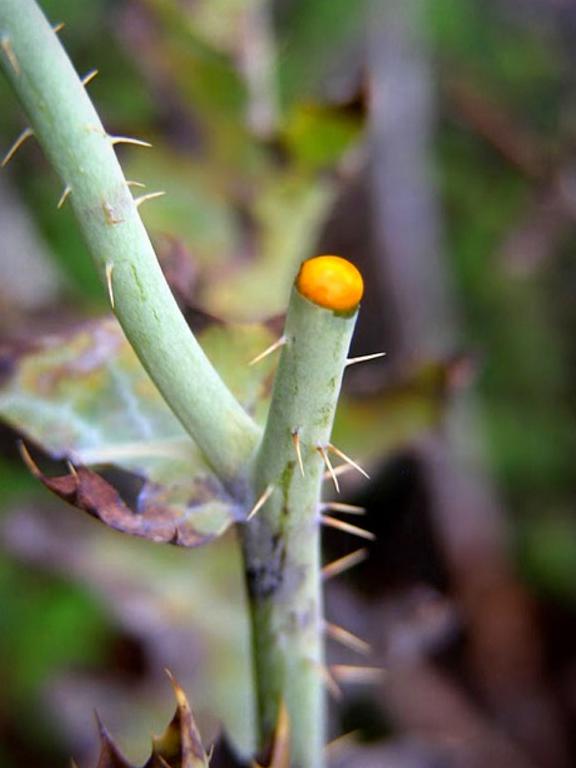
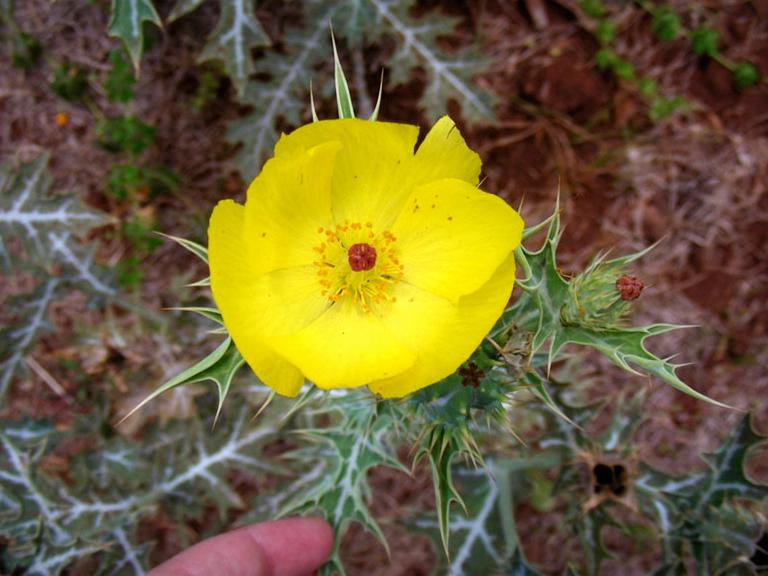
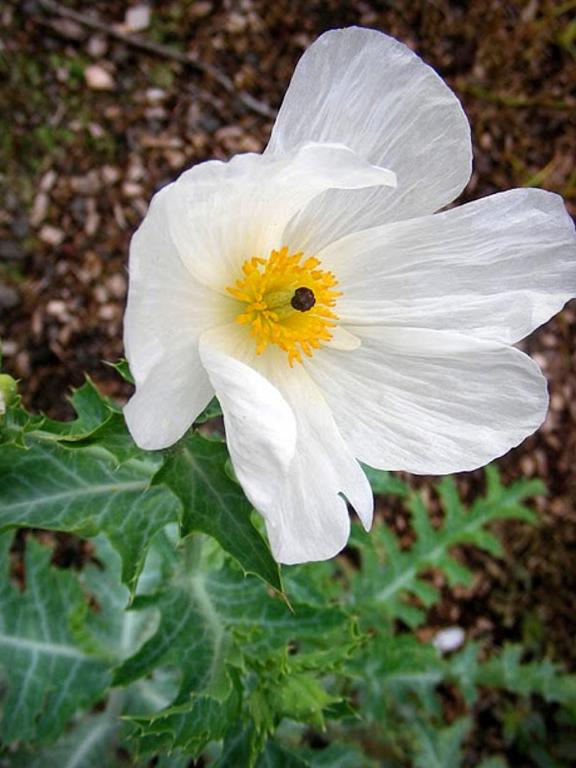
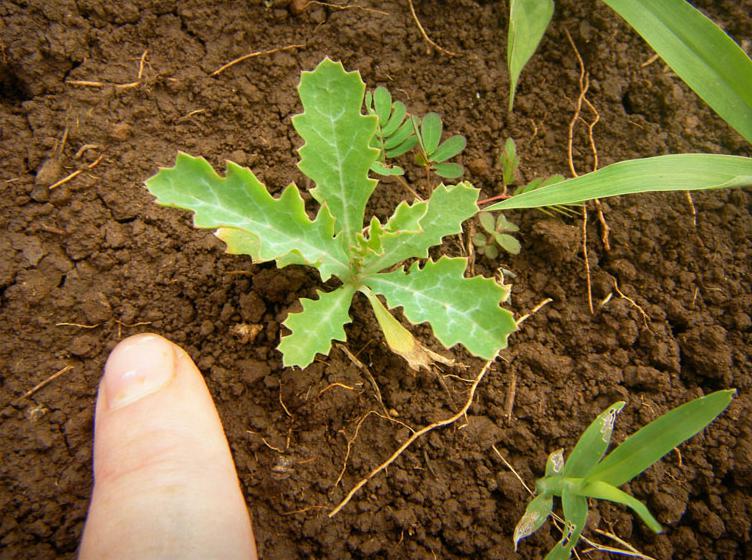
This project examines defense in an apparently well-defended—but understudied—group of plants: the prickly poppies of the genus Argemone.

Approximately 32 Argemone species are native to the Americas. Their center of diversity lies in Mexico, while Hawaiʻi is home to a single endemic species. This unusual distribution creates a powerful natural comparison for investigating how plant defenses evolve across continental and island environments.

≈32species in the genus
Mexicocenter of diversity
1Hawaiian endemic species
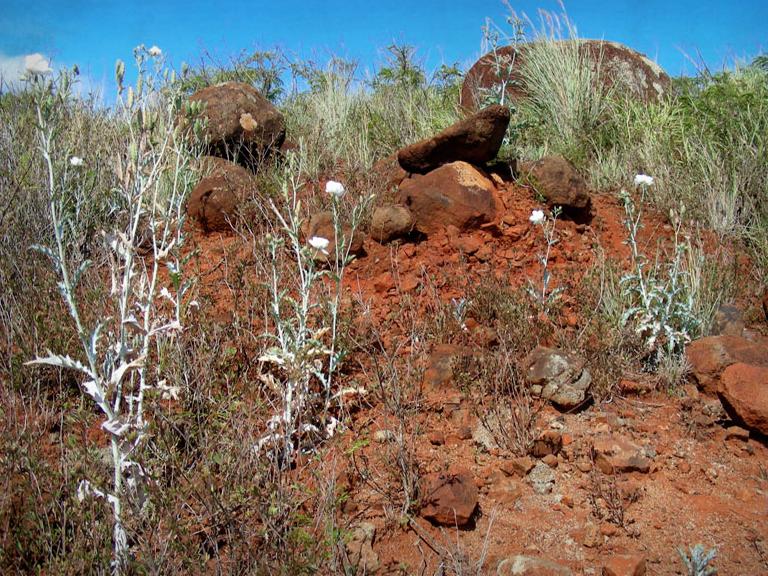
Prickly poppies growing among red volcanic rocks in Hawaiʻi
Prickly poppies in a Hawaiian landscape
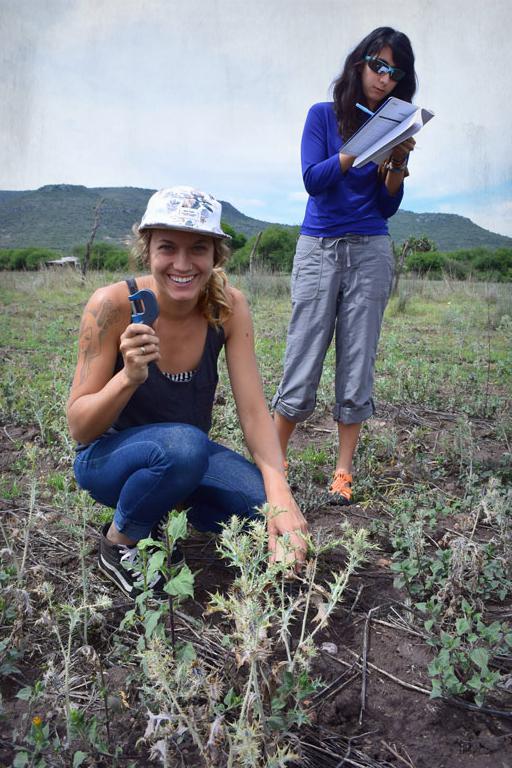
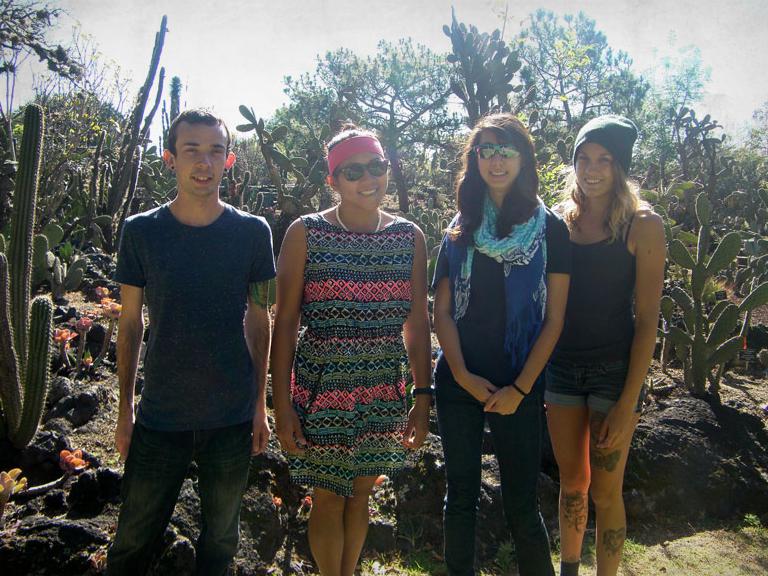
Researchers measuring prickly poppies in a field site in Mexico
Field research in Mexico

Further reading

References

Suissa, J. and K. E. Barton. 2018. Intraspecific and interspecific variation in prickly poppy resistance to non-native generalist caterpillars. Botanical Sciences 96(2): 168-179. PDF

Barton, K. E. 2014. Prickles, latex and tolerance in the endemic Hawaiian prickly poppy (Argemone glauca): variation between populations, across ontogeny and in response to abiotic factors. Oecologia 174: 1273-1281. PDF

Hoan, R. P., R. A. Ormond, and K. E. Barton. 2014. Prickly poppies can get pricklier: ontogenetic patterns in the induction of physical defense traits. PLoS ONE 9(5): e96796. PDF