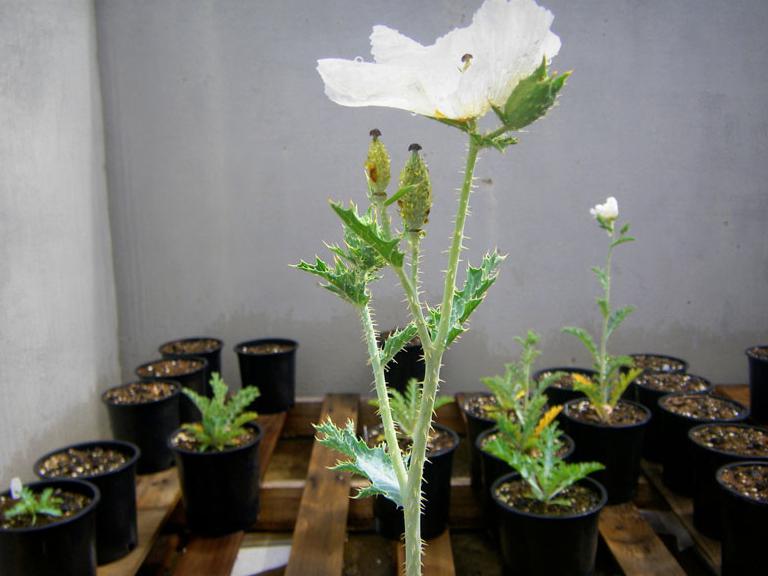
 Project 01
The Argemone Project
Argemone across Hawaiʻi, Mexico, and the Americas
What can prickly poppies reveal about the evolution of defense across continental and island environments?
Explore the Argemone ProjectPlant functional ecology · Island systems
The Barton Lab asks how plants defend themselves, survive environmental stress, and shape the biodiversity of Hawaiian ecosystems.
Research overview
Kasey’s research integrates functional traits, experiments, field surveys, and open data to understand how plants respond to herbivores, drought, competition, and the distinctive evolutionary setting of islands.
These four projects move from individual defense traits to population dynamics and whole-forest patterns, with Hawaiʻi serving as both a remarkable natural laboratory and a place where ecological insight matters urgently.
Four research programs
Each project pairs a focused ecological question with field observations, experiments, and interactive research resources.
Project 01Argemone across Hawaiʻi, Mexico, and the Americas
What can prickly poppies reveal about the evolution of defense across continental and island environments?
Explore the Argemone Project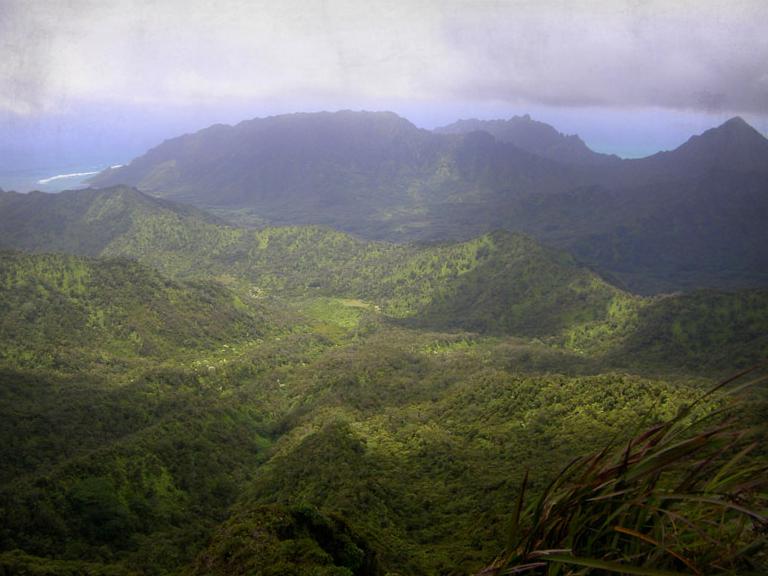 Project 02
Native and non-native Hawaiian plants
How do seedlings from different species, populations, and islands survive and grow when water becomes scarce?
Explore the Drought Index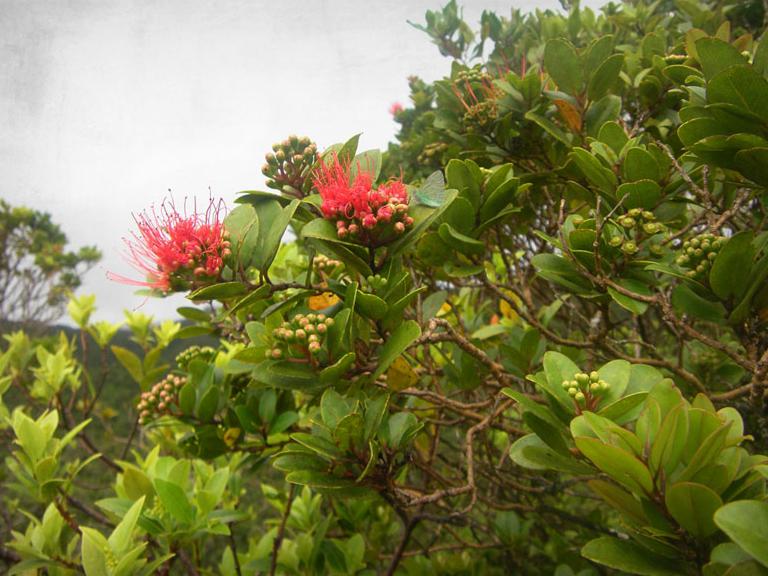 Project 03
Metrosideros polymorpha
What controls recruitment and population dynamics in the foundation tree that structures Hawaiian forests?
Explore the ʻŌhiʻa Project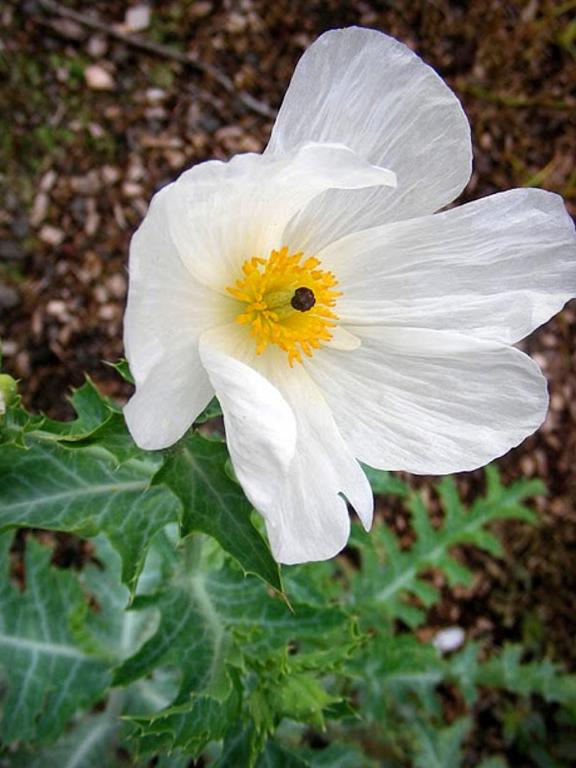 Project 04
Argemone glauca
How do prickles, latex, waxes, and tolerance combine into a flexible defense strategy in Hawaiʻi’s endemic poppy?
Explore the Pua Kala Project