Barton Lab

Foundation species · Hawaiian forests

The ʻŌhiʻa Project

What does the future hold for Hawaiʻi’s dominant native tree—and the forests built around it?

Project summary

A forest depends on its foundation

Common species shape environments, support webs of interaction, and contribute disproportionately to ecosystem function. Their decline can therefore reverberate far beyond a single species—even when they are not themselves rare.

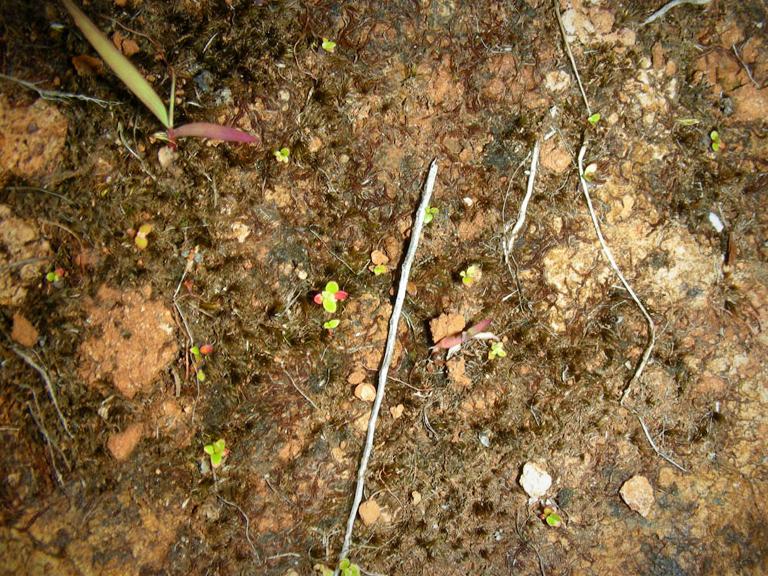
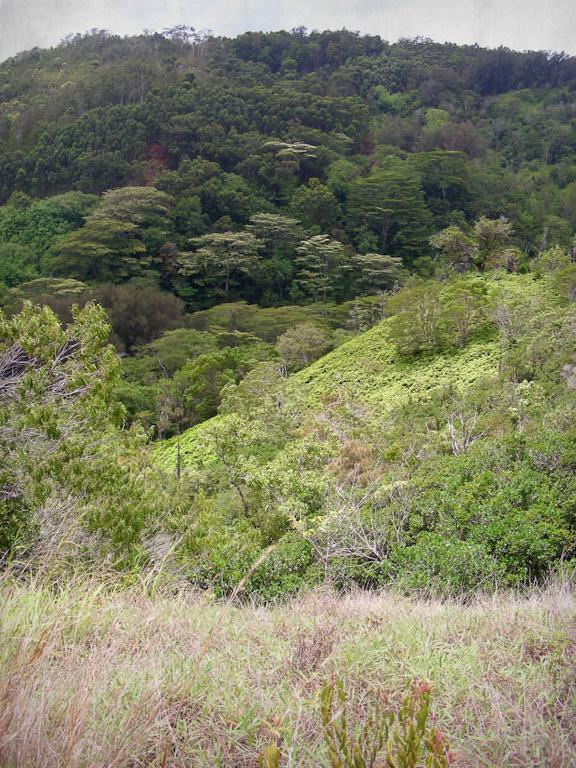
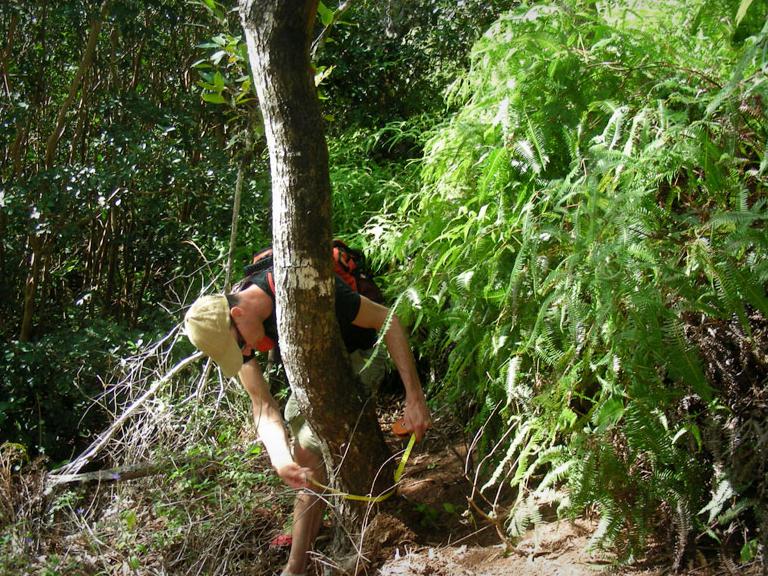
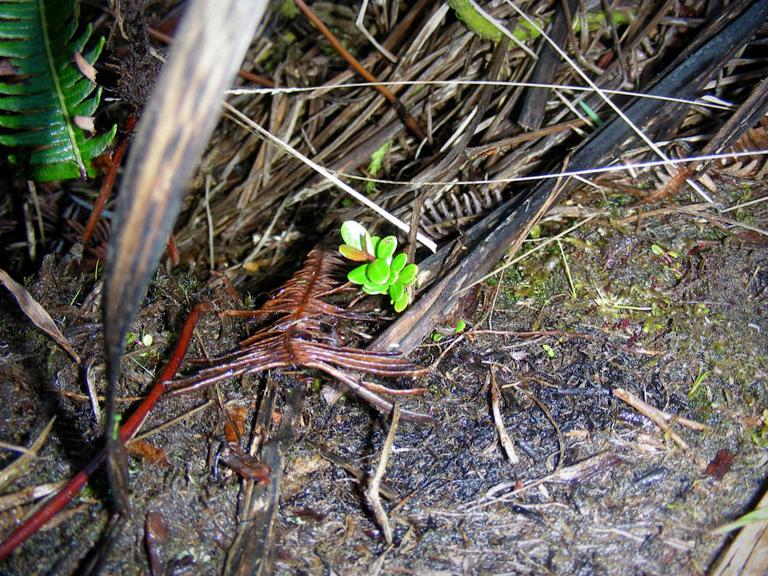
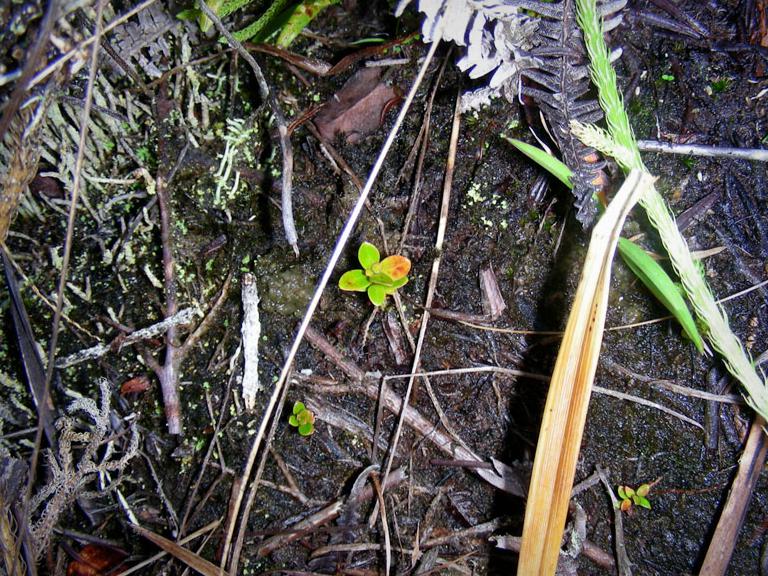
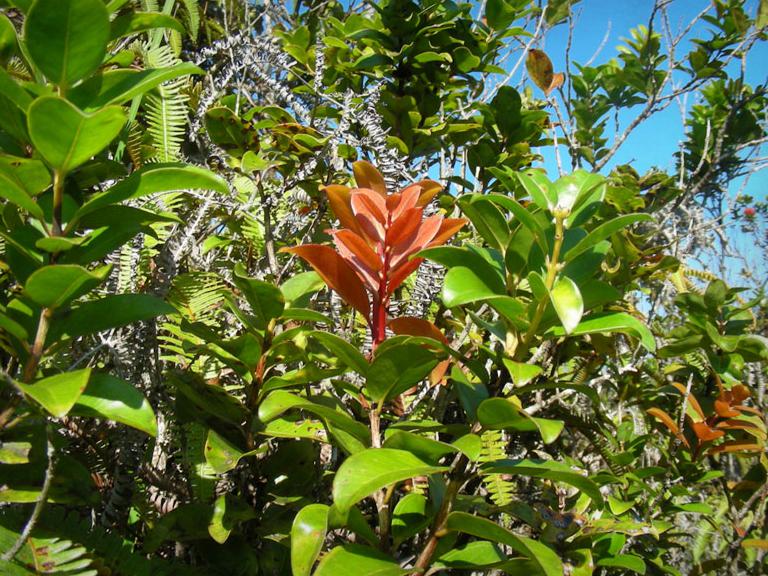
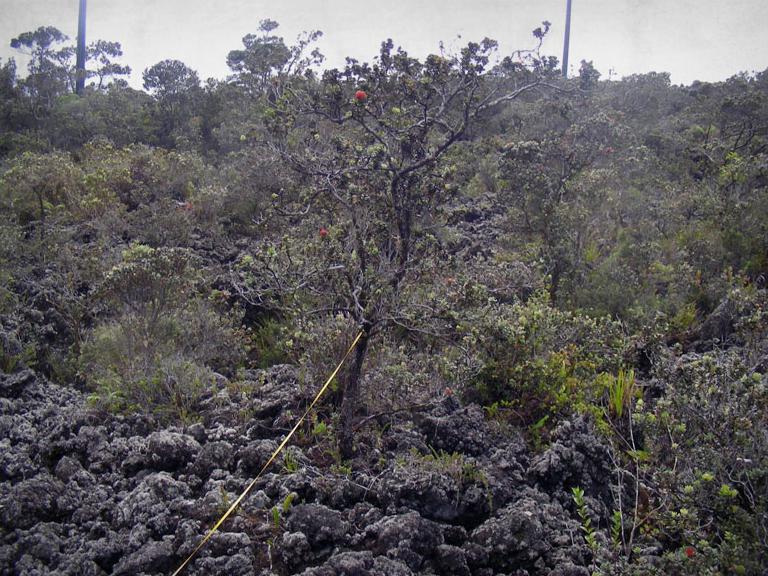
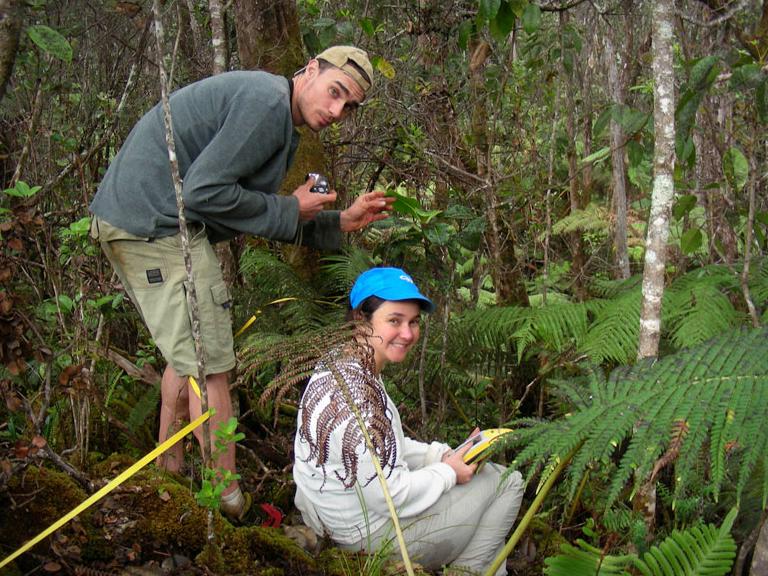
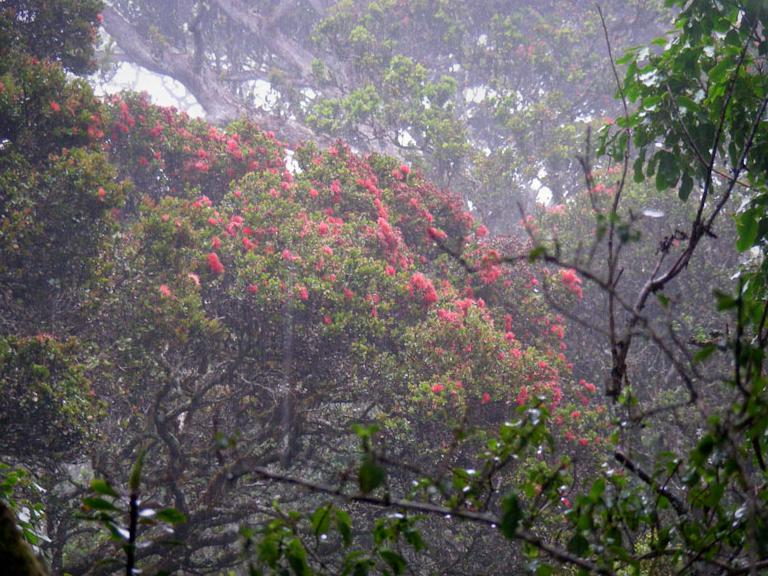
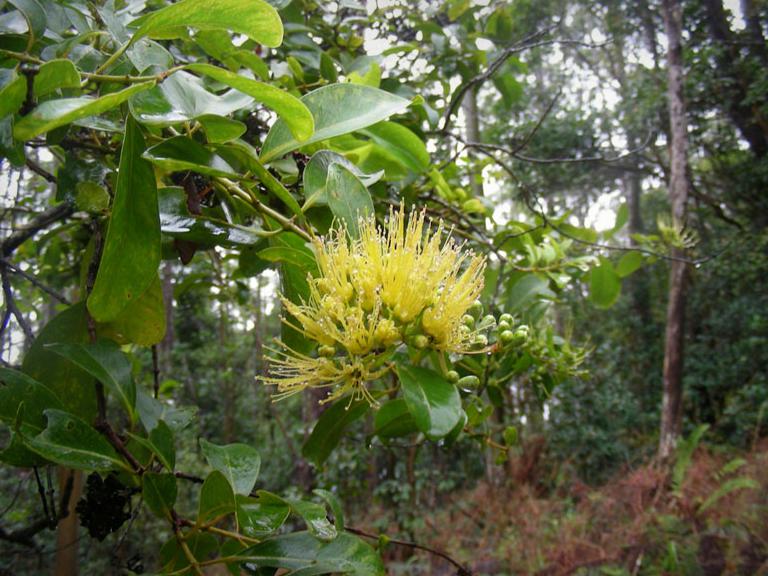
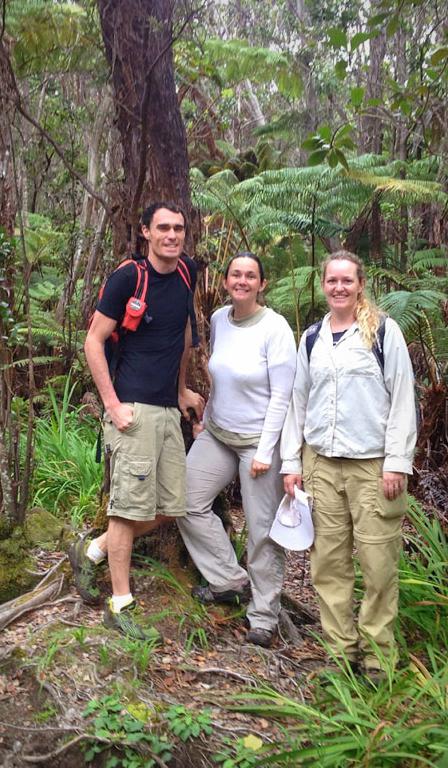
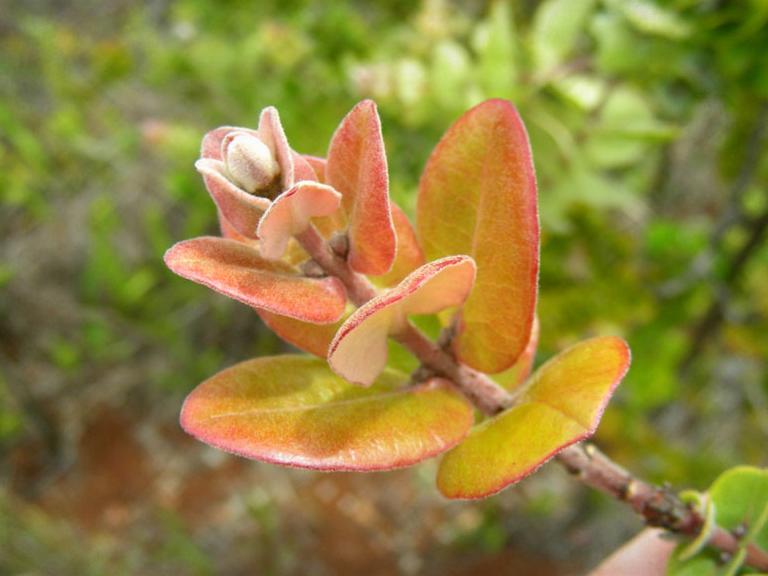
ʻŌhiʻa lehua (Metrosideros polymorpha) is the dominant tree on each of Hawaiʻi’s six largest islands. We are investigating its demography across those islands to understand population dynamics and the factors associated with widespread decline. Preliminary results indicate very low seedling recruitment across most islands, while current experiments test whether drought and competition from invasive plants further limit recruitment.

6largest Hawaiian Islands surveyed
Lowseedling recruitment across most islands
1foundation tree supporting entire forests
Environmental context

External data sources

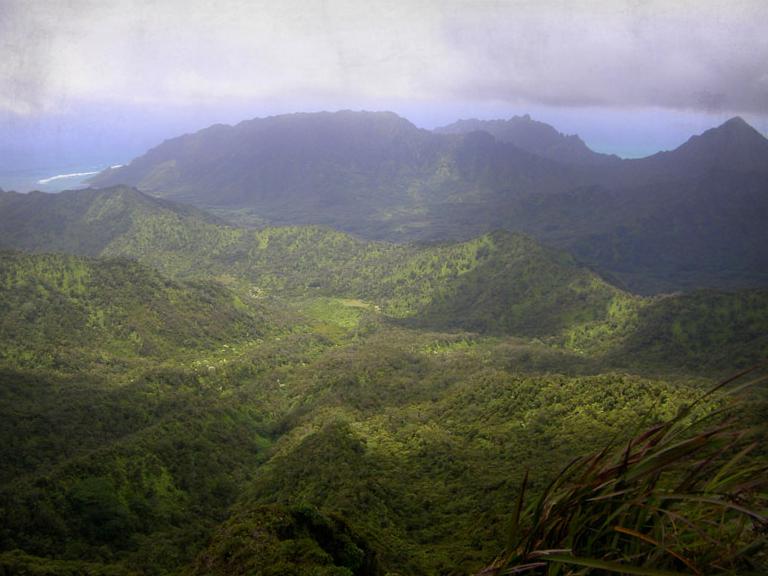
The project combines field observations with statewide environmental layers to place ʻōhiʻa recruitment in its climatic, geologic, and conservation context.

Annual rainfall

Giambelluca, T. W., et al. 2013. Online Rainfall Atlas of Hawaii. Bulletin of the American Meteorological Society 94: 313–316.

Geologic age

Sherrod, D. R., J. M. Sinton, S. E. Watkins, and K. M. Brunt. 2007. Geologic map of the State of Hawaii. USGS Open-File Report 2007-1089.

Elevation

1983 USGS Digital Elevation Models obtained through the Hawaiʻi Statewide GIS Program.

Rain gauges

Rain summary locations supplied by the National Weather Service in Honolulu.

Reserves and protected lands

Reserve, preserve, and park boundaries obtained through the Hawaiʻi Statewide GIS Program.

Further reading

References

Craven, D., T. M. Knight, K. E. Barton, L. Bialic-Murphy, and J. M. Chase. 2019. Dissecting macro-ecological and macro-evolutionary patterns of forest biodiversity across the Hawaiian archipelago. Proceedings of the National Academy of Sciences 116: 16436–16441. PDF

Craven, D., T. M. Knight, K. E. Barton, L. Bialic-Murphy, S. Cordell, C. P. Giardina, T. W. Gillespie, R. Ostertag, L. Sack, and J. M. Chase. 2018. OpenNahele: the open Hawaiian forest plot database. Biodiversity Data Journal 6: e28406. PDF