Barton Lab

Island defense · Endemic Hawaiian flora

The Pua Kala Project

A luminous white flower armed with prickles, bright latex, and a remarkably flexible defense strategy.

Project summary

Defense, built in layers

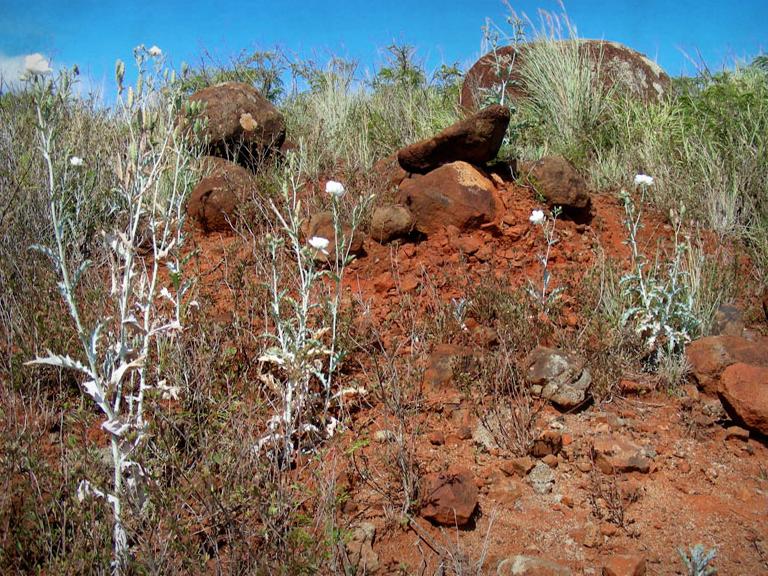
Pua kala (Argemone glauca) is Hawaiʻi’s endemic prickly poppy. Its conspicuous defenses make it a powerful system for testing a persistent idea in island biology: that island plants evolve weak defenses because they experience less pressure from herbivores.

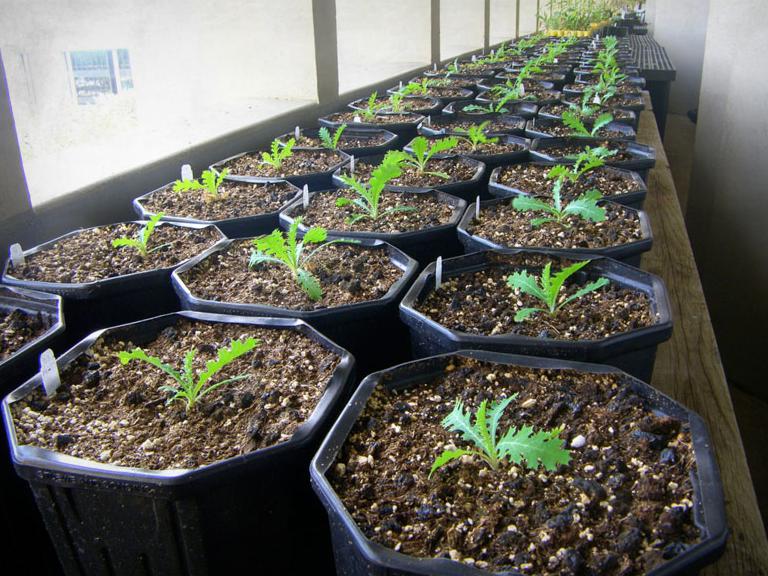
Since 2010, the Barton Lab has examined how prickles, latex, epicuticular waxes, and tolerance vary among populations, across plant development, after herbivory, and in response to light and water availability. Together, these traits reveal a defense strategy that is dynamic rather than fixed.

Endemicfound naturally only in Hawaiʻi
3+complementary defense mechanisms
2010project research began
Defense toolkit

More than just prickly

Pua kala combines structural, chemical, and whole-plant responses—each changing with environment and life stage.

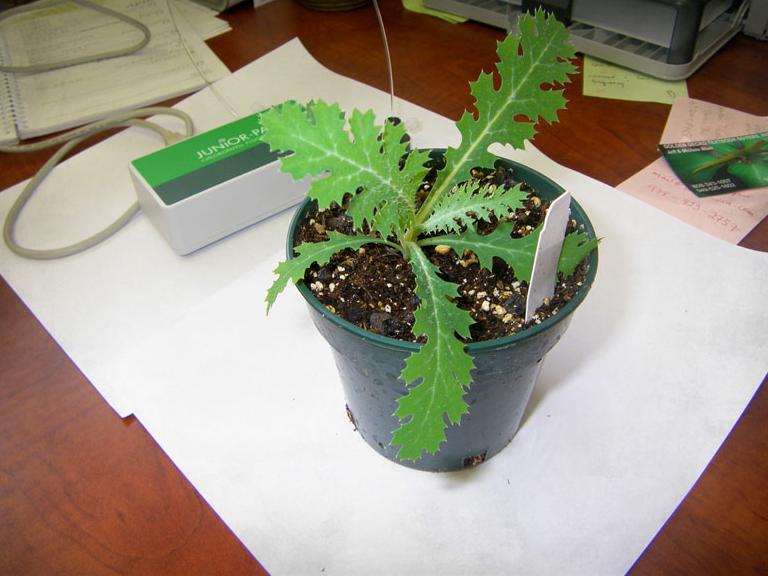
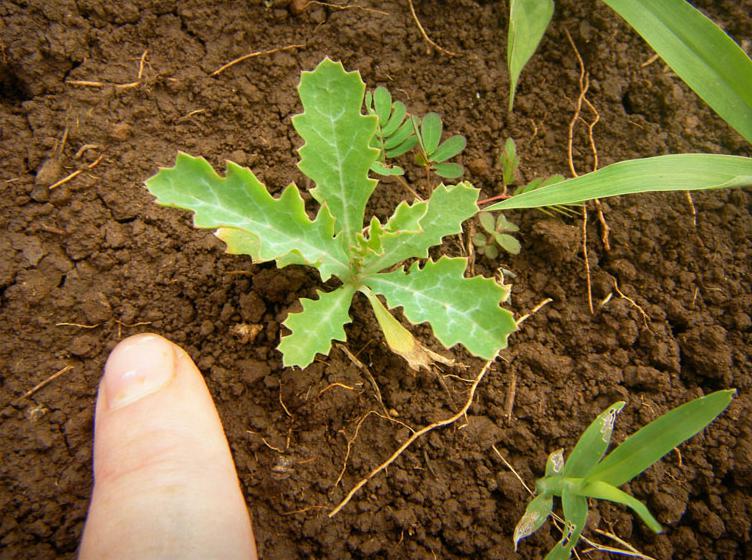
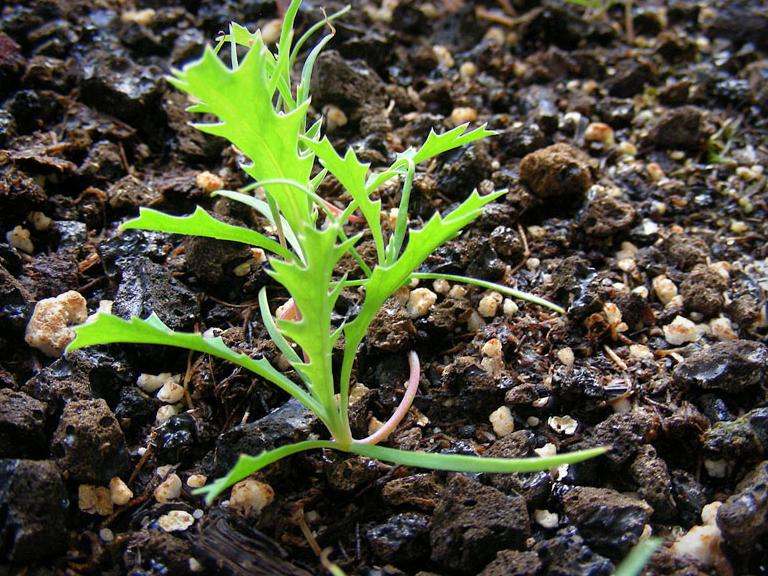
Young pua kala seedling with sharply lobed leaves
01

Prickles

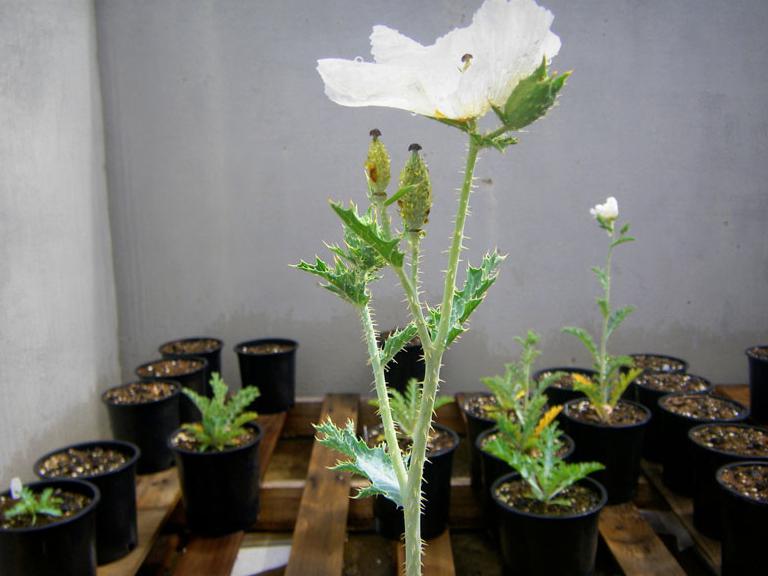
Physical barriers vary strikingly among populations and can become stronger after damage.

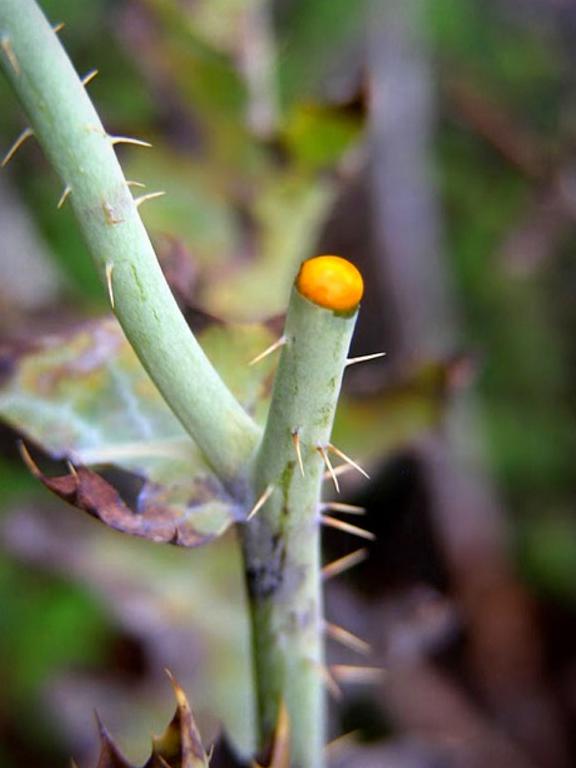
Bright orange latex emerging from a cut pua kala stem
02

Latex

Bright orange latex provides a rapid chemical response when stems or leaves are damaged.

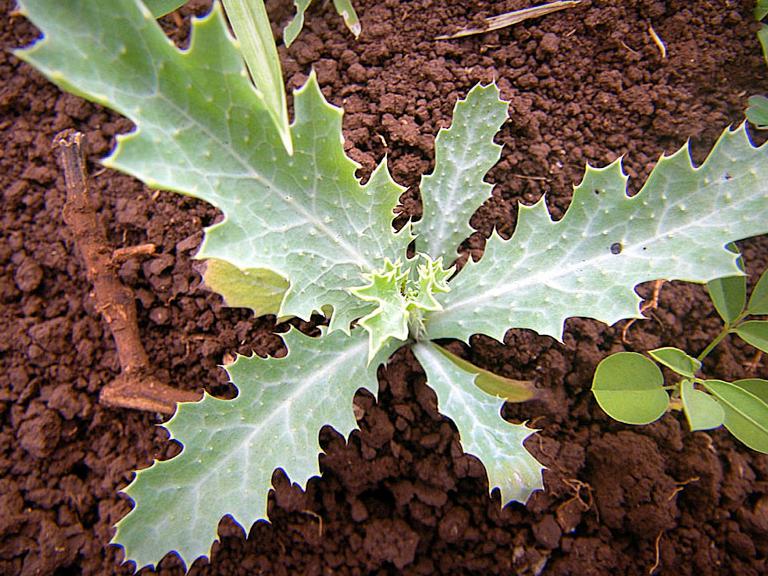
Pua kala plant with waxy blue-green leaves
03

Waxes & tolerance

Epicuticular waxes and the ability to regrow broaden defense beyond deterrence alone.

Environmental context

External data sources

Statewide environmental layers help connect variation in defense traits with climate, geology, elevation, and protected landscapes.

Annual rainfall

Giambelluca, T. W., et al. 2013. Online Rainfall Atlas of Hawaii. Bulletin of the American Meteorological Society 94: 313–316.

Geologic age

Sherrod, D. R., et al. 2007. Geologic map of the State of Hawaii. USGS Open-File Report 2007-1089.

Elevation

1983 USGS Digital Elevation Models obtained through the Hawaiʻi Statewide GIS Program.

Rain gauges

Rain summary locations supplied by the National Weather Service in Honolulu.

Reserves and protected lands

Reserve, preserve, and park boundaries obtained through the Hawaiʻi Statewide GIS Program.

Further reading

References

Hoan, R. P., R. A. Ormond, and K. E. Barton. 2014. Prickly poppies can get pricklier: ontogenetic patterns in the induction of physical defense traits. PLoS ONE 9(5): e96796. PDF

Barton, K. E. 2014. Prickles, latex and tolerance in the endemic Hawaiian prickly poppy (Argemone glauca): variation between populations, across ontogeny and in response to abiotic factors. Oecologia 174: 1273–1281. PDF